
Individual Assessment
Priorities are shaped by current abilities, health needs, routines and personal goals.
Personalised Occupational Therapy for adults who are experiencing difficulty with self-care, hand function, cognition, home responsibilities, work or community participation. Rehabilitation begins with the activities that matter most to the individual.

Priorities are shaped by current abilities, health needs, routines and personal goals.
Practice is connected to meaningful activities rather than isolated exercise alone.
Strategies may include task changes, equipment, environmental modification and caregiver guidance.
Adult Occupational Therapy supports participation in everyday activities after injury, surgery, illness, neurological conditions or a change in functional ability. These activities may include dressing, bathing, cooking, managing medication, using technology, working, using transport, caring for family and taking part in the community.
The therapist considers movement, hand function, sensation, vision, cognition, fatigue, pain, confidence, the environment and the demands of each task. Rehabilitation may combine restorative practice with compensatory strategies so that activities can be completed more safely and independently.
Dressing, bathing, grooming, toileting, eating and other essential self-care activities.
Meal preparation, household tasks, shopping, transport routines and community participation.
Planning a graded return, adapting tasks and managing physical or cognitive work demands.
Building practical routines for medication, appointments, energy, sleep and condition management.
Rehabilitation needs vary widely. A consultation can help clarify whether Occupational Therapy, another rehabilitation discipline or a multidisciplinary service is the most suitable next step.
Dressing, bathing, grooming, eating or toileting has become slower, unsafe or difficult to complete.
Weakness, pain, stiffness, reduced coordination or altered sensation affects gripping, reaching or object use.
Memory, attention, planning, sequencing, visual processing or problem-solving affects safe task completion.
Essential activities are difficult to pace, prioritise or complete without symptoms increasing.
The person needs practical assessment, task modification or a structured plan for greater participation.
Priorities depend on medical stability, assessment findings, rehabilitation stage, personal goals, environmental demands and whether support from other health professionals is also required.
Task-based support for daily activities affected by changes in movement, sensation, vision or cognition.
Functional use of the arm and hand during reaching, grasping, handling objects and personal care tasks.
Restorative practice and compensatory strategies for dressing, bathing, eating, cooking and household routines.
Practical supports for attention, memory, planning, sequencing, visual scanning and safe task completion.
Understanding task demands, building tolerance and planning adaptations or a graded return where appropriate.
Reviewing routines, environmental barriers, equipment needs and safe ways for caregivers to provide support.
The pathway is adapted to the person’s condition, recovery stage and medical recommendations. Goals are reviewed as abilities, priorities and support needs change.
Discuss health history, current challenges, previous reports, routines and the activities that matter most.
Observe relevant tasks and consider movement, hand function, cognition, vision, sensation and environment.
Agree meaningful goals and select suitable practice, adaptation, equipment or caregiver strategies.
Monitor functional change and adjust the plan according to participation, safety and evolving priorities.
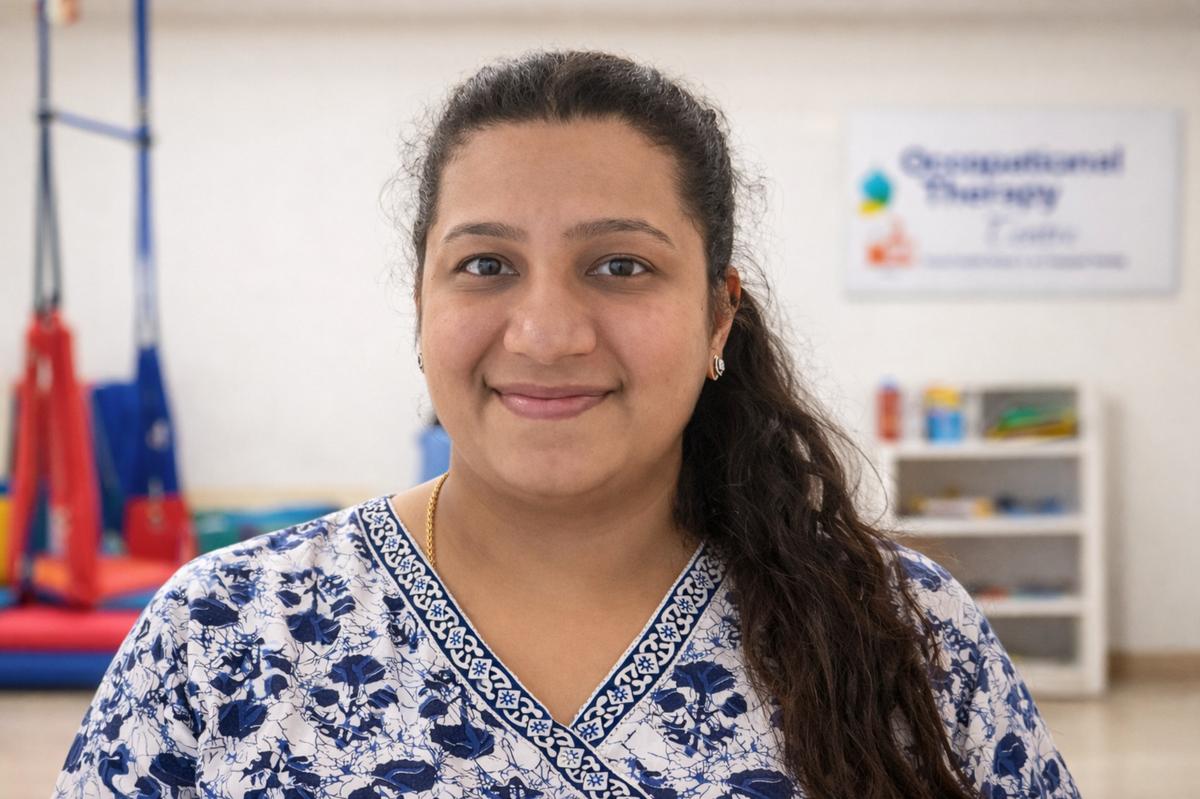
In-clinic sessions may be preferable when hands-on assessment, detailed observation, equipment trials or direct practice is needed. Online sessions may support selected goals through home-based task review, caregiver education, strategy coaching and progress monitoring when clinically appropriate.
Direct functional assessment, therapist-guided practice and access to suitable rehabilitation resources.
Review of real home routines, practical coaching and caregiver-supported strategies when suitable.
Rehabilitation is most meaningful when goals reflect the person’s identity, responsibilities and desired life roles. Family and caregivers may be included with consent, especially when support is needed between sessions.
Practise relevant skills and tasks to improve functional performance within the person’s abilities.
Use task changes, routines, equipment or environmental adaptations to support safer participation.
Recognise when medical, physiotherapy, speech, psychology or other specialist input may also be required.
These answers provide general information. Recommendations for an individual depend on medical status, assessment, goals, safety and the wider rehabilitation plan.
Still have a question? Contact our teamAdult Occupational Therapy supports participation in everyday activities after illness, injury, surgery, neurological change or reduced functional ability. The therapist works with the person on meaningful goals related to self-care, home life, work, health management and community participation.
A consultation may be relevant after stroke, neurological conditions, injury, surgery, hand or upper-limb difficulties, prolonged illness or other changes that affect everyday function. Suitability depends on the therapist’s scope, medical stability and whether another specialist service is needed.
The professions can work closely together but have different areas of emphasis. Occupational Therapy focuses on participation in meaningful daily activities and may address task performance, cognition, hand use, environmental barriers and adaptive strategies. Physiotherapy commonly focuses on movement, strength, balance and mobility. Some people benefit from both within a multidisciplinary plan.
Sessions are commonly planned for approximately 45–60 minutes. The exact duration may vary according to fatigue, medical needs, assessment requirements, goals and whether the session is in clinic or online.
There is no fixed number for every person. Frequency and duration depend on the condition, recovery stage, assessment findings, meaningful goals, progress, medical recommendations and the wider care plan.
With the person’s consent, caregiver participation may be useful for understanding safe assistance, practising strategies and supporting carry-over into daily routines. The level of involvement depends on the individual’s preferences, goals and support needs.
Online support may be suitable for selected goals, home-routine review, strategy coaching and caregiver guidance. The therapist will consider safety, technology, cognition, physical assistance needs and whether direct hands-on assessment or specialised equipment is required.
Share the activities that have changed and our team will help arrange the most suitable consultation.