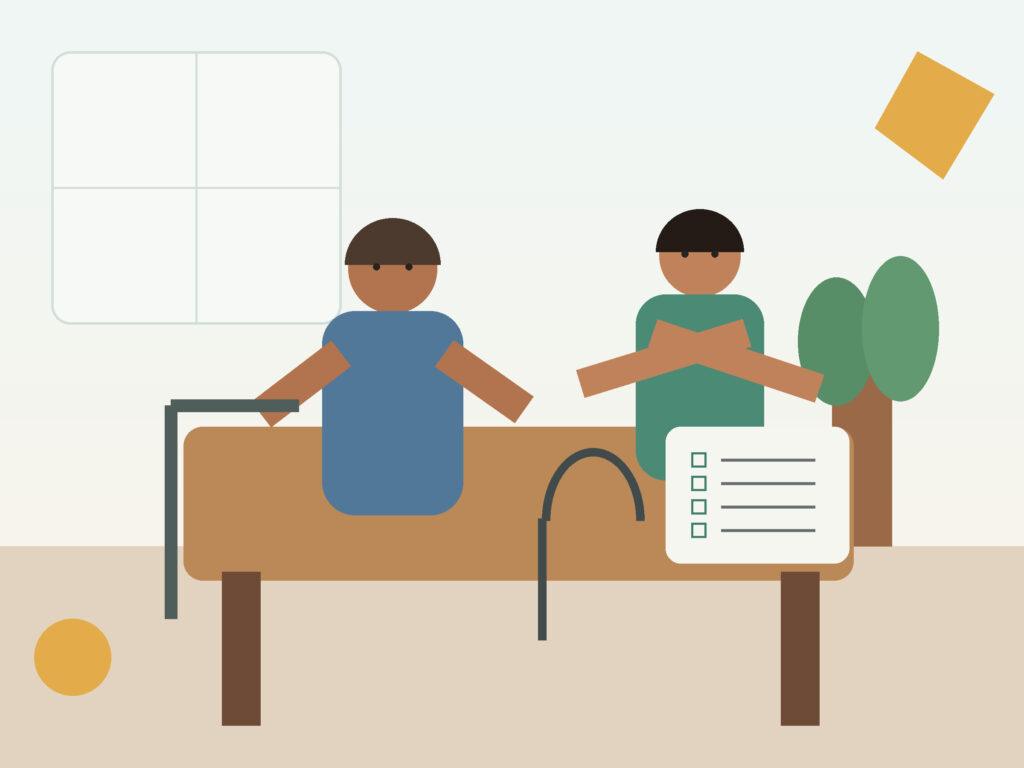

Fatigue can affect personal care, household tasks, work, exercise and social participation. During rehabilitation, people may try to complete activities as they did before and then experience a prolonged increase in symptoms. Energy conservation is a practical approach to using available energy more deliberately, while medical causes and rehabilitation goals continue to be addressed.
What Is Fatigue?
Fatigue is more than ordinary tiredness. It may involve physical heaviness, reduced concentration, low stamina or a sense that even simple tasks require unusual effort. It can occur with respiratory, neurological, cardiac, inflammatory, post-surgical and many other conditions.
Leeds Teaching Hospitals describes all daily tasks as activities that use energy and explains that reduced energy can affect everyday function. The pattern and cause vary from person to person.
Fatigue may also be influenced by sleep, pain, medication, nutrition, mood, infection and the environment. It should not automatically be attributed to deconditioning or motivation.
Why Medical Review Matters
New, severe, unexplained or worsening fatigue requires medical assessment. Seek prompt advice when fatigue is accompanied by chest pain, breathlessness at rest, fainting, fever, new weakness, confusion, bleeding, weight loss or another concerning symptom.
Rehabilitation guidance should fit the person’s diagnosis, medical stability and treatment plan. Energy conservation can support participation, but it does not identify or treat the underlying medical cause.
Core Energy-Conservation Principles
Prioritise
Identify essential and meaningful activities. Some tasks may be postponed, simplified, delegated or completed less frequently.
Plan
Spread demanding activities across the day or week. Gather items before starting and avoid unnecessary repeated trips.
Pace
Use planned pauses before symptoms become severe. A steady pace may be more sustainable than alternating between intense effort and prolonged recovery.
Position
Sit for suitable activities, support the arms and place frequently used items within easy reach when this is safe.
Prepare
Organise the environment, simplify steps and consider the time of day when energy is usually better.
These principles are adjusted to the individual. They should not be used to avoid all movement or contradict prescribed exercise.
Applying Energy Conservation to Daily Routines
Dressing and grooming
Prepare clothing, sit where safe, complete demanding steps after rest and keep commonly used items accessible.
Meal preparation
Plan simple meals, gather ingredients first, sit for suitable preparation, use safe lightweight items and divide cooking into stages.
Household tasks
Rotate heavier and lighter tasks, use long-handled tools when assessed as suitable and avoid completing every household task on the same day.
Work or study
Consider task order, scheduled breaks, reduced distraction, ergonomic setup and discussion of reasonable adjustments where applicable.
Community activities
Plan transport, seating, timing and recovery. Carrying fewer items or shopping online may preserve energy for a more important activity.
Balancing Activity and Rest
Energy conservation is not complete inactivity. Excessive rest may reduce routine and confidence, while pushing through severe fatigue may increase symptoms or risk. The balance depends on the condition and rehabilitation plan.
Use short planned pauses, change position and alternate cognitive and physical tasks. Some people benefit from a consistent schedule; others need flexible pacing based on symptoms.
Breathing strategies, anxiety management and positioning may also be relevant when breathlessness contributes to fatigue. These should be discussed with the treating team.
Monitoring Fatigue Patterns
For one or two weeks, record:
- The activity completed
- Time of day
- Symptoms before and after
- Rest or support used
- How long recovery took
- Whether the activity was meaningful or necessary
The aim is not to score every moment. A simple record can reveal activities that consistently require more energy and help prioritise changes.
When May Occupational Therapy Help?
Occupational therapy may be useful when fatigue affects self-care, cooking, household tasks, work, caregiving or community participation. The therapist may review activity demands, routines, environment, positioning and the person’s priorities.
Recommendations may include pacing, task simplification, environmental changes, equipment assessment or coordination with the wider rehabilitation team.
Learn about Adult Rehabilitation, Online Therapy or contact the centre.
Frequently Asked Questions
Is fatigue just lack of fitness?
No. Fatigue may have medical, neurological, respiratory, psychological, medication-related and other causes.
Should I push through fatigue to improve?
Not without guidance. Pushing through severe symptoms may be inappropriate. Follow the advice of the treating team.
Does energy conservation mean doing less forever?
No. It means using available energy deliberately. Goals may change as health and rehabilitation progress.
Can fatigue management be reviewed online?
Daily routines and home setup may be discussed online when clinically suitable. Medical assessment and hands-on review may still be required.
Discuss Fatigue Affecting Everyday Activities
An occupational therapy consultation may help review daily routines, identify high-energy tasks and plan practical adaptations alongside medical care.
Explore Adult Rehabilitation | Contact Blessings Therapy Centre
Medical Information Disclaimer
This article provides general educational information and does not identify the cause of fatigue or replace medical assessment. New, severe, unexplained or worsening fatigue and associated warning signs require appropriate healthcare review.
Read the full Medical Disclaimer.