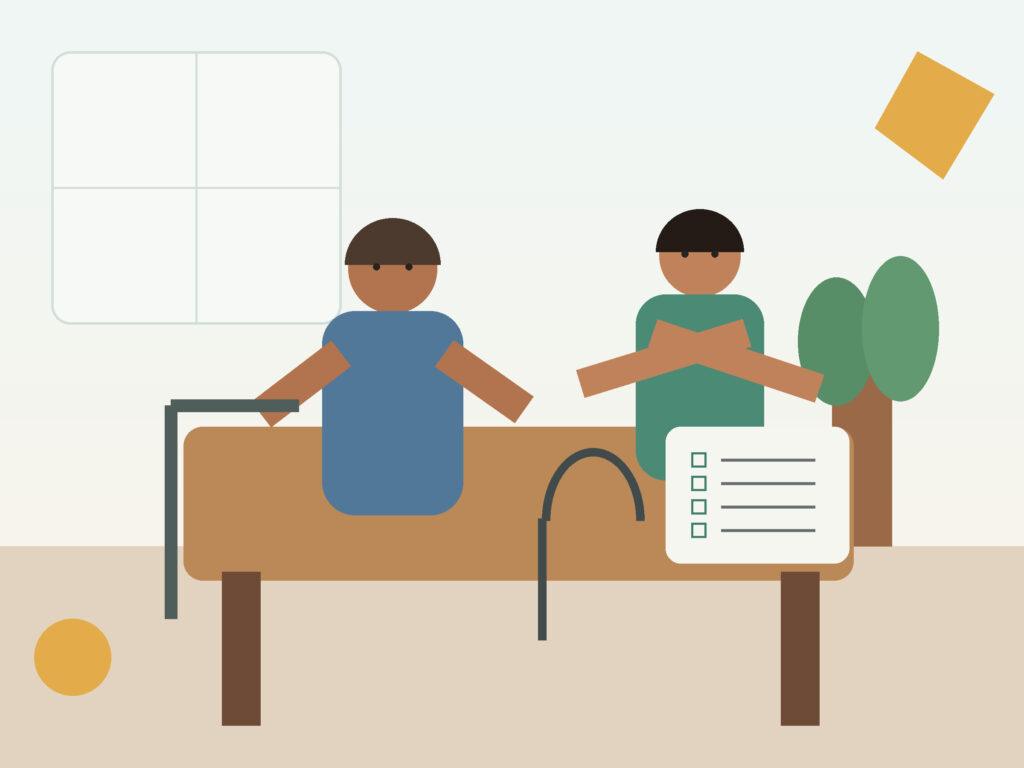
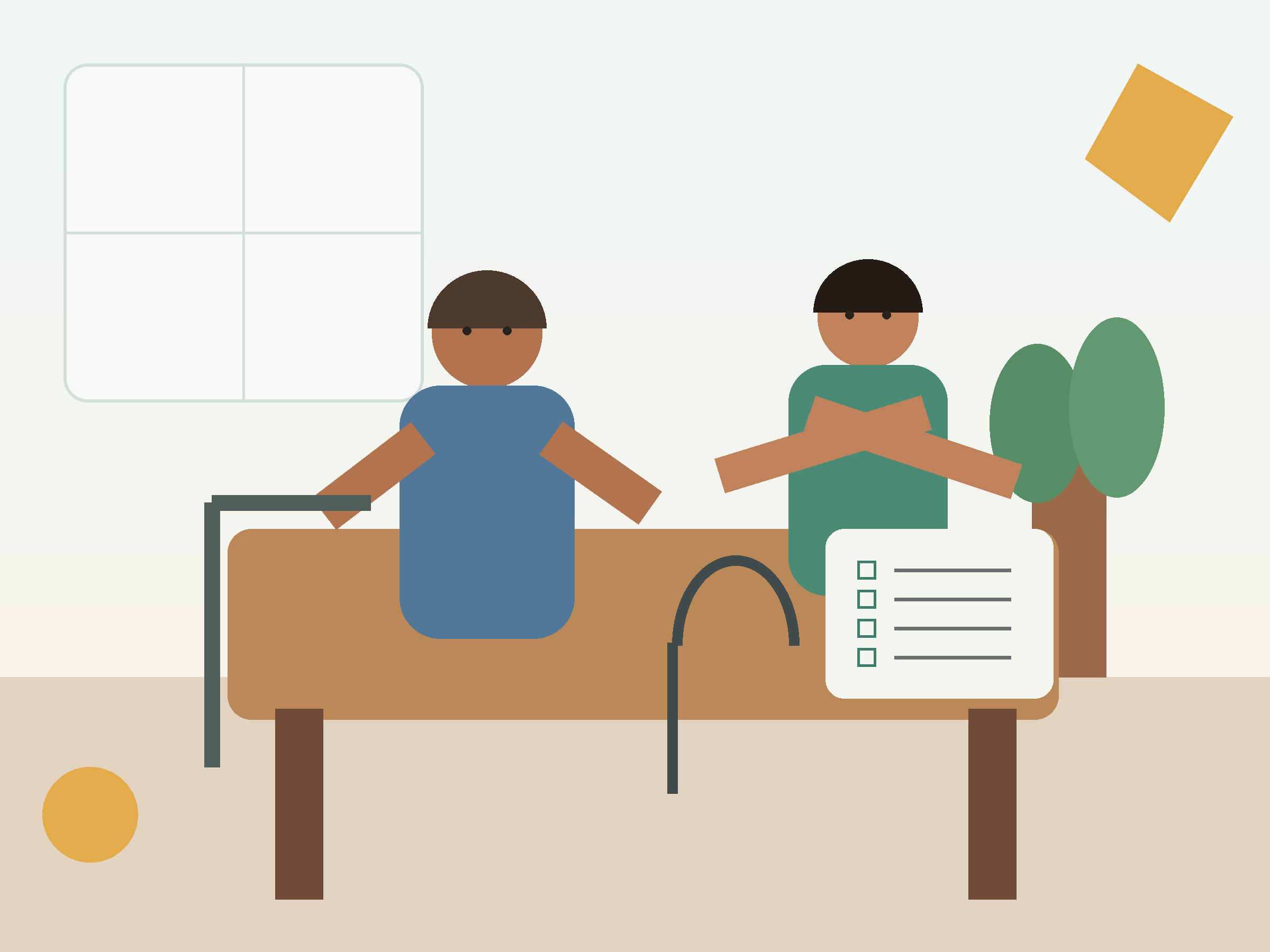
Falls are not an inevitable part of ageing. Risk can increase because of changes in balance, strength, vision, medication, blood pressure, footwear, cognition or the home environment. A home checklist can identify hazards, but effective prevention usually requires more than removing rugs. The person’s health, movement, routines and specific activities should be assessed together.
Why Do Falls Happen?
A fall may result from several factors acting together. A person may stand quickly because the telephone rings, feel dizzy from a blood-pressure change, catch a foot on a threshold and be unable to recover balance.
- Reduced balance, strength or walking ability
- Vision changes or poor lighting
- Medication side effects or multiple medicines
- Urgency when using the toilet
- Pain, numbness or unsafe footwear
- Clutter, loose mats, uneven surfaces or inaccessible storage
- Memory, attention or judgement changes
- Alcohol use or acute illness
Because risk is multifactorial, a tailored assessment is more useful than relying on one product.
Room-by-Room Home Checklist
Entrances and pathways
- Keep routes clear and well lit
- Repair uneven surfaces where possible
- Use secure hand support when clinically appropriate
- Avoid carrying several items while managing steps
Bedroom
- Keep a light and essential items within safe reach
- Check that bed height supports safe transfers
- Avoid trailing cables in the walking path
- Use a stable route to the toilet
Bathroom
- Keep floors dry
- Use professionally recommended grab support rather than unstable towel rails
- Review shower or bath access
- Place toiletries within reach
Kitchen and living areas
- Store frequently used items between knee and shoulder height
- Use a stable chair rather than climbing
- Remove or secure loose mats
- Arrange furniture to create a clear route
Daily Routines That Affect Fall Risk
Risk often increases during ordinary activities: rushing to answer a door, walking in low light, carrying hot drinks, getting up at night or wearing loose footwear.
- Allow time to sit before standing when advised by the medical team
- Use prescribed mobility aids consistently and correctly
- Keep glasses and hearing devices accessible
- Plan how objects will be carried
- Use suitable footwear inside and outside
- Schedule demanding tasks when the person is less tired
Do not introduce an exercise or mobility programme without considering medical advice and current ability.
What to Do After a Fall
Do not rush to lift the person. First check for pain, bleeding, head impact, deformity, breathing difficulty or reduced consciousness. Follow local emergency guidance.
Even when there is no obvious injury, report the fall to the appropriate healthcare professional. A fall may reveal medication effects, infection, blood-pressure changes, vision problems or reduced mobility.
Record what happened before the fall, the location, footwear, lighting, activity and symptoms. This information supports assessment.
How Occupational Therapy May Help
Occupational therapy may assess how the person completes daily activities within the home. Recommendations may include task modification, equipment, environmental changes, fatigue management, caregiver education or referral to other rehabilitation professionals.
The aim is not to remove every activity. Excessive restriction can reduce confidence and physical ability. The goal is safer participation in activities that matter.
Learn about Adult Rehabilitation and Online Therapy. Some home routines can be reviewed online, while equipment and transfer concerns may require in-person assessment.
When Medical Review Is Important
- A first unexplained fall
- Repeated falls or near falls
- Dizziness, fainting or new weakness
- Medication changes
- New confusion or reduced alertness
- Vision changes
- Pain, numbness or loss of function
- Difficulty rising from a chair or walking safely
A medical review and rehabilitation assessment may both be required.
Emergency Warning Signs
Seek emergency care after a fall when there is loss of consciousness, suspected head or neck injury, severe pain, inability to move, breathing difficulty, chest pain, heavy bleeding, new weakness, speech difficulty or another sudden serious symptom.
For general adult-function information, read How Occupational Therapy Helps Adults Regain Independence.
A Practical Starting Point for This Week
Walk through one routine with the older adult instead of inspecting the home without them. Observe getting out of bed, reaching the bathroom, preparing a drink or answering the door. Ask where they feel unsteady and which activities they avoid.
Correct obvious hazards such as poor lighting or clutter, but do not install equipment or change mobility aids without appropriate advice. Record near falls, dizziness, medication changes and the circumstances of any previous fall. This information can help the medical and rehabilitation team identify whether environmental changes, strength and balance input, vision review or another intervention is required.
Frequently Asked Questions
Should all rugs be removed?
Loose or curled rugs can create hazards, but decisions should consider the person’s preferences and the specific surface. Secure or remove hazards based on assessment.
Are grab rails always helpful?
Only when correctly positioned, securely installed and appropriate for the person’s movement pattern. A poorly placed rail may not improve safety.
Can a home assessment be done online?
Some environmental observations and routine discussions may be possible online. Transfer, equipment and complex safety concerns may require in-person assessment.
Should activity be reduced after a fall?
Temporary medical advice may limit activity, but long-term unnecessary restriction can reduce confidence and ability. Follow the treating team’s guidance.
Review the Person, Activity and Home Together
A functional consultation can help identify daily situations that increase fall risk and determine whether in-person assessment is required.
Explore Adult Rehabilitation | Contact the Centre | Read FAQs
Medical Information Disclaimer
This article provides general educational information. It does not diagnose a condition, prescribe an individual programme or replace medical, developmental, psychological, nutritional or occupational therapy assessment. Seek guidance from an appropriately qualified healthcare professional regarding individual concerns. For sudden symptoms, serious injury or a medical emergency, seek immediate medical care.
Read the full Medical Disclaimer.