School readiness is often discussed in terms of recognising letters, counting or writing a name. Those skills matter, but a child’s school day also depends on dressing, toileting, eating, carrying belongings, following routines, moving safely and asking for help. Readiness is therefore better viewed as participation in a new environment—not as a test a child must pass before school begins.
What Does School Readiness Really Mean?
School readiness is not one fixed list of achievements. Children develop at different rates, and schools differ in their routines, expectations and available support. A useful question is not simply “Can my child do this independently?” but “How does my child participate, what support is needed, and is that support reasonable in the school environment?”
Occupational therapy looks at the interaction between the child, the task and the environment. A child may manage a skill at home but struggle in a busy classroom because there is more noise, less time, unfamiliar equipment or several instructions at once.
For a broader developmental overview, read Early Signs Your Child May Benefit From Occupational Therapy.
Self-Care Skills Used During the School Day
Practical self-care skills allow children to spend more time learning, playing and connecting with classmates. The aim is not perfect independence on the first day. It is gradual familiarity with the steps and confidence to attempt them.
Dressing and managing belongings
- Putting on and removing shoes with the method normally used at school
- Managing a school jacket, raincoat or sweater
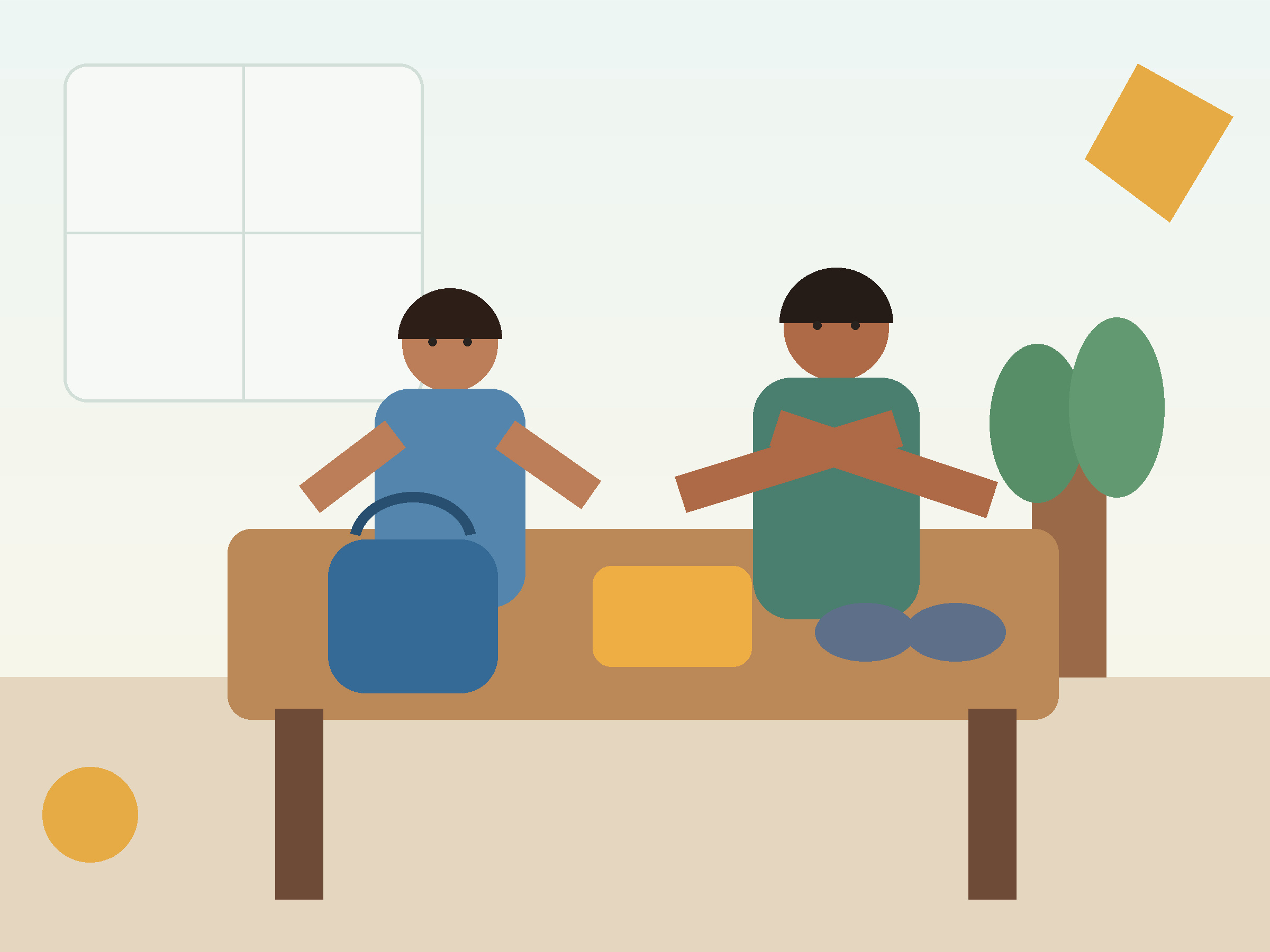
- Opening and closing a lunch box and water bottle
- Recognising personal belongings and placing them in an agreed location
- Carrying a school bag that is appropriately sized and not overloaded
Toileting and hygiene
- Recognising the need to use the toilet and communicating it
- Managing clothing before and after toileting
- Completing handwashing steps with prompts when required
- Knowing whom to ask when help is needed
Eating at school
Practice opening the actual containers the child will use. Keep the first lunch setup simple. A child who can eat independently at home may still need practice when time is limited and classmates are nearby.
Movement, Posture and Classroom Tools
Classroom participation uses whole-body and hand skills together. Sitting upright, turning to look at the teacher, reaching for materials and stabilising paper can affect drawing, cutting and early writing.
- Use floor play, climbing, animal walks and playground activity to build broad movement experience
- Practise sitting at a child-sized table with feet supported where possible
- Offer crayons, chalk, stickers, construction toys and simple puzzles rather than relying only on worksheets
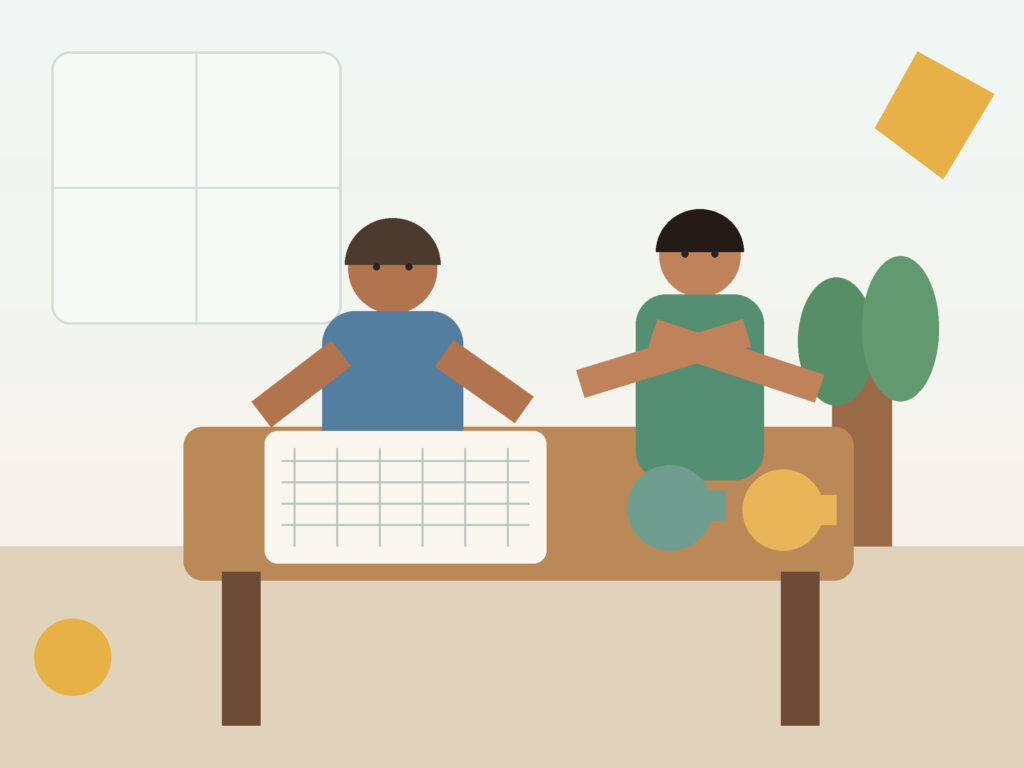
- Let the child practise opening glue sticks, using child-safe scissors and packing away materials
- Watch for discomfort, unusual fatigue or persistent avoidance rather than correcting every movement
Related reading: Fine Motor Skills in Children and Pediatric Occupational Therapy.
Following Routines and Managing Transitions
A school day contains repeated transitions: arrival, group time, table work, snack, toilet, playground and home time. Children may know each activity but still find the change between activities difficult.
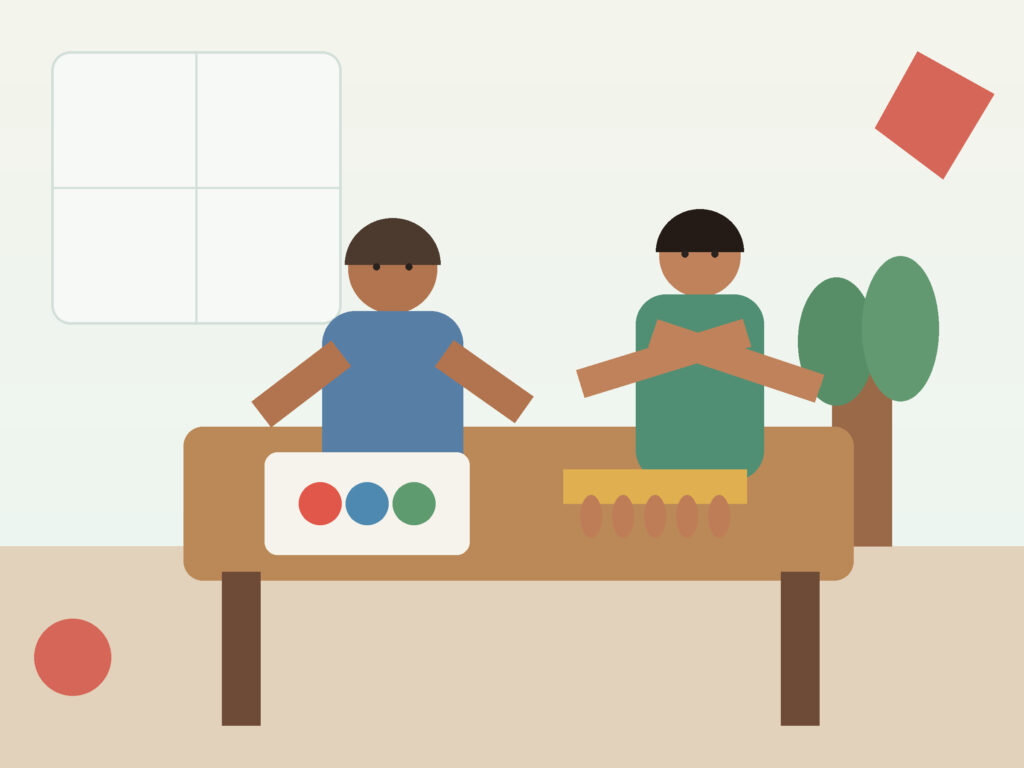
- Use a simple morning picture sequence rather than repeating many verbal instructions
- Give one or two steps at a time and allow processing time
- Use consistent phrases such as “first shoes, then bag”
- Practise stopping one activity, packing away and moving to the next
- Include a small buffer so the child is not learning routines while everyone is rushed
The August article School Morning Routines for Children gives a more detailed routine plan.
Communication, Play and Asking for Help
Readiness also includes knowing how to communicate needs in a new environment. A child may need a spoken phrase, gesture, picture or another agreed method to ask for the toilet, a break, help with a container or clarification of an instruction.
Play experiences can support turn-taking, waiting briefly, sharing materials, coping when another child changes the game and returning to play after a disagreement. These are developing skills, not requirements for flawless behaviour.
Tell the teacher what reliably helps the child. Useful information is specific: “She follows instructions better when shown the first step” is more actionable than “She does not listen.”
A Two-Week Home Practice Plan
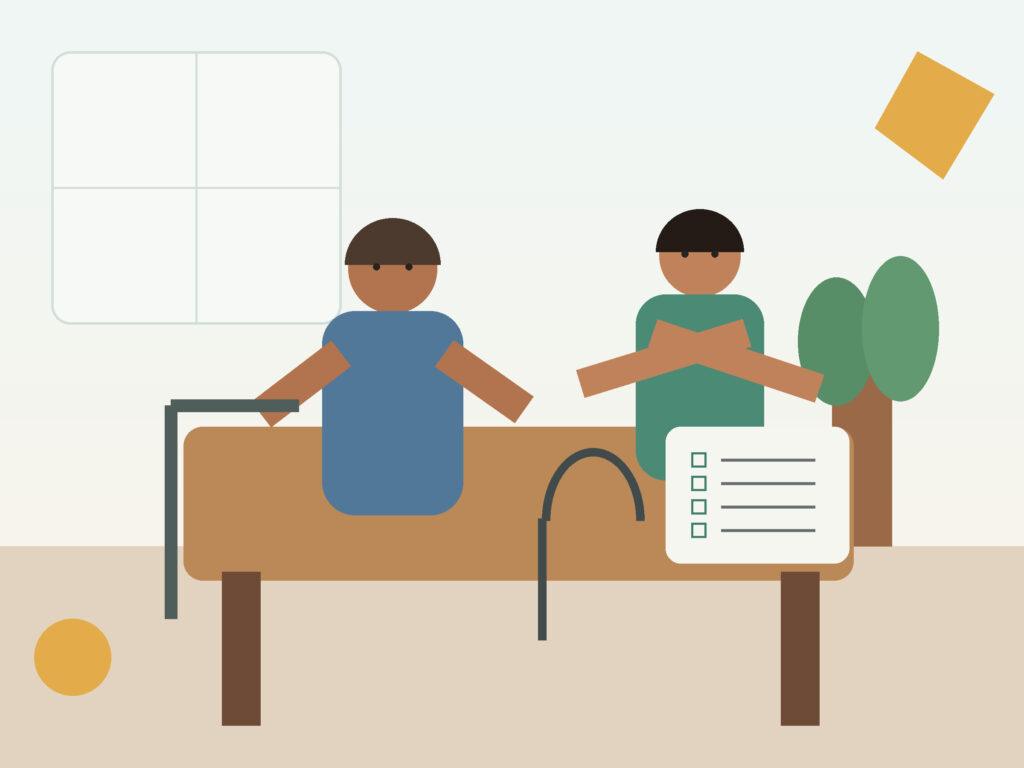
- Choose three priorities: one self-care skill, one routine and one school-tool activity.
- Use the real objects: practise with the child’s own bottle, lunch box, shoes and bag.
- Keep practice short: five to ten minutes is often enough.
- Reduce help gradually: demonstrate, guide, point, then wait before stepping in.
- Finish successfully: simplify the last step when frustration is rising.
- Share observations: note what works so the school can use similar support.
Avoid turning every part of the day into training. Children also need unstructured play, connection, rest and a sense that school preparation is manageable.
When May Professional Guidance Help?
Consider discussing the child’s participation with a paediatrician, occupational therapist or another relevant professional when difficulties are persistent, cause significant distress, affect several daily activities or are also observed by nursery or school staff.
- The child cannot participate in essential self-care routines even with reasonable support
- Movement or hand-skill difficulties significantly limit classroom access
- The child becomes consistently overwhelmed by ordinary school routines
- There has been a loss of a previously used skill
- Feeding, swallowing, pain, vision, hearing or other medical concerns are present
Parents may begin with a Parent Consultation to organise concerns and identify an appropriate next step.
Frequently Asked Questions
Should a child be fully independent before starting school?
No. Children begin school with different strengths and support needs. Familiarity with routines and the ability to communicate when help is needed are often more useful than expecting complete independence.
Does school readiness mean being able to write?
No. Early mark-making and interest in drawing can be useful, but readiness also includes play, communication, movement, self-care and adapting to routines.
What should parents practise first?
Start with the activities the child will use every day: toileting communication, opening lunch containers, shoes, carrying belongings and following a short morning sequence.
Can occupational therapy help before a child starts school?
It may help when functional difficulties limit participation. Recommendations depend on assessment, the child’s needs and the school environment.
Prepare for School Through Everyday Participation
A focused parent consultation can help identify which daily skills deserve attention and which expectations can be adapted.
Book a Parent Consultation | Explore Pediatric OT | Contact the Centre
Medical Information Disclaimer
This article provides general educational information. It does not diagnose a condition, prescribe an individual programme or replace medical, developmental, psychological, nutritional or occupational therapy assessment. Seek guidance from an appropriately qualified healthcare professional regarding individual concerns. For sudden symptoms, serious injury or a medical emergency, seek immediate medical care.
Read the full Medical Disclaimer.